










เปิดกลยุทธ์เอสซีจี เดินหน้าธุรกิจปี 2562 ก้าวบนความท้าทายอย่างไรให้เติบโตยั่งยืน
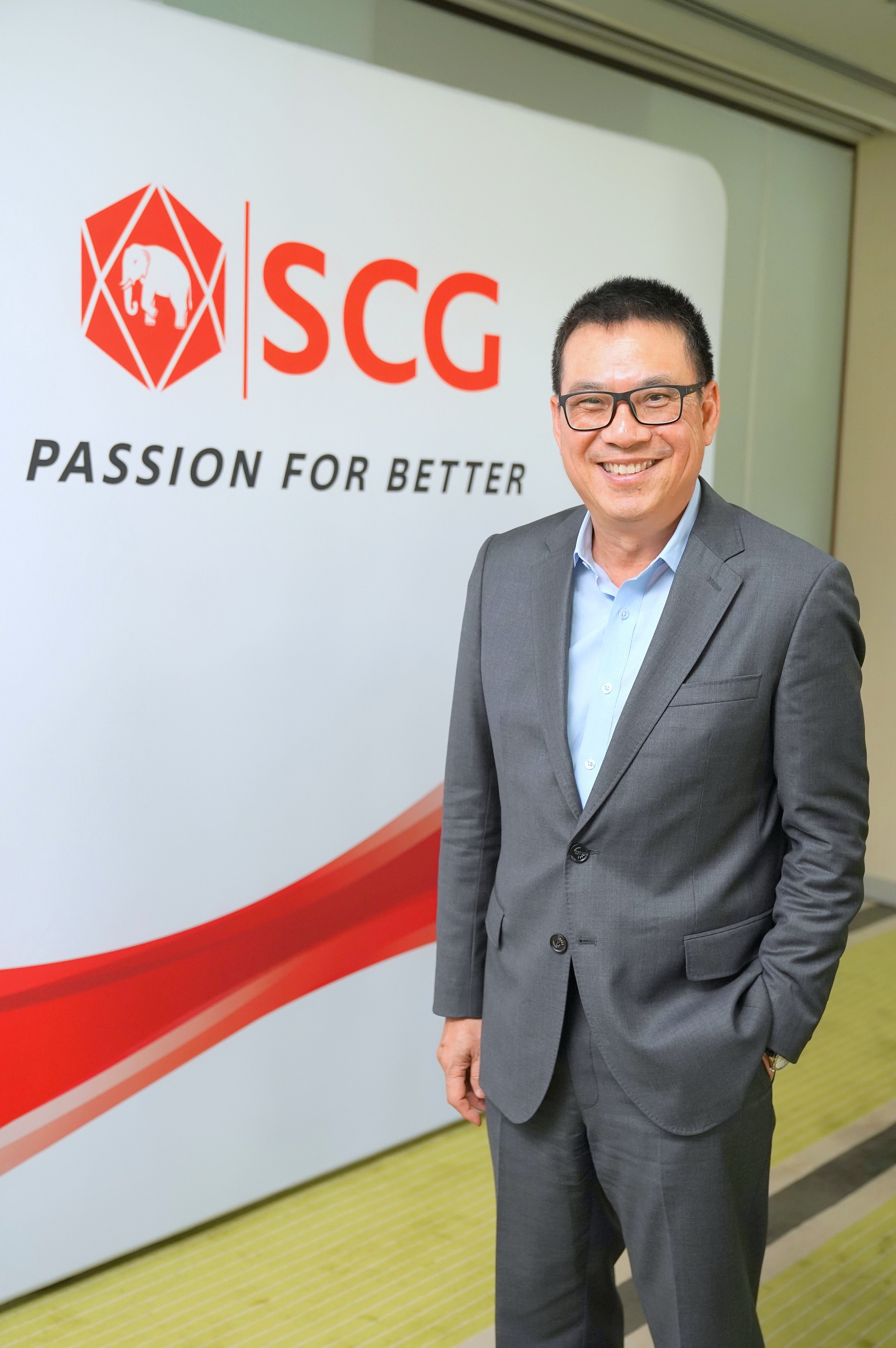
เปิดกลยุทธ์เอสซีจี เดินหน้าธุรกิจปี 2562
ก้าวบนความท้าทายอย่างไรให้เติบโตยั่งยืน
ท่ามกลางสถานการณ์ความผันผวนที่ส่งผลต่อการดำเนินธุรกิจ ทุกองค์กรต่างต้องเร่งปรับตัวเพื่อให้เดินต่อไปได้อย่างแข็งแกร่ง เช่นเดียวกับเอสซีจี ที่แม้จะเป็นองค์กรที่มีอายุยาวนานกว่า 105 ปี และเป็นที่ยอมรับในฐานะองค์กรชั้นนำของประเทศและภูมิภาค ด้วยการดำเนินงานภายใต้ 3 กลุ่มธุรกิจหลัก คือซีเมนต์และผลิตภัณฑ์ก่อสร้าง เคมิคอลส์ และแพคเกจจิ้ง แต่องค์กรแห่งนี้ก็มีความท้าทายที่ต้องรับมือให้ได้เช่นกัน
“ปัจจุบันธุรกิจต้องเผชิญกับความไม่แน่นอนหลายประการ ไม่ว่าจะเป็นเทคโนโลยีต่างๆ ที่เข้ามา การแข่งขันที่รุนแรงขึ้นทั้งจากคู่แข่งในธุรกิจเดียวกันและธุรกิจข้างเคียง รวมถึงสถานการณ์อื่นที่ส่งผลกระทบ เช่น ความไม่แน่นอนทางการเมือง หรือสงครามการค้า อย่างไรก็ตาม เอสซีจียังคงมุ่งเน้นการดำเนินธุรกิจตามวิสัยทัศน์ นั่นคือการมุ่งสร้างความแข็งแกร่งของตลาดในภูมิภาค (Regional) ด้วยการนำเสนอนวัตกรรม (Innovation) สินค้าใหม่ๆ ที่ตอบโจทย์ลูกค้า รวมถึงการให้บริการที่ครบวงจรหรือเป็นโซลูชั่น ควบคู่กับการเสริมสร้างความก้าวหน้าอย่างยั่งยืน (Sustainability) ให้ทุกสังคมและชุมชนที่เข้าไปดำเนินงานด้วย” รุ่งโรจน์ รังสิโยภาส กรรมการผู้จัดการใหญ่ เอสซีจี เผยถึงวิสัยทัศน์ซึ่งเป็นหัวใจหลักในการดำเนินธุรกิจของเอสซีจี
มุ่งสู่เป้าหมายด้วยกลยุทธ์สร้างการเติบโตอย่างแข็งแกร่งและยั่งยืน
จากวิสัยทัศน์ดังกล่าว ได้นำมาสู่การวางแผนกลยุทธ์เพื่อรับมือกับความไม่แน่นอนต่างๆ ที่เกิดขึ้น ในสองหัวข้อ คือ 1.) การสร้างเสถียรภาพทางการเงิน (Stability) ด้วยการบริหารความเสี่ยง เพื่อสร้างความมั่นคงให้ธุรกิจ และ 2.) การบริหารจัดการความเติบโตของธุรกิจในระยะยาว (Long-term Growth) เพราะเอสซีจีมองว่าองค์กรควรต้องสร้างสมดุลของสองสิ่งนี้ไปพร้อมๆ กัน โดยพิจารณาสร้างโอกาสจากเส้นทางการค้าที่เปลี่ยนไป เน้นการตอบสนองความต้องการของลูกค้าเป็นหลัก และทำเรื่องที่ตนเองเชี่ยวชาญให้ดีที่สุด อย่างการผลักดันโครงการการผลิต (Growth Project) ที่อยู่ระหว่างการดำเนินงานให้เติบโตได้ดีและยั่งยืน
รุ่งโรจน์ย้ำว่า การบริหารงานภายใต้ความไม่แน่นอนที่เกิดขึ้นนั้น จำเป็นจะต้องเข้าใจสาเหตุของความไม่แน่นอนที่เกิดขึ้นก่อนว่าเกิดจากปัจจัยอะไร และอะไรเป็นปัจจัยที่จะทำให้เกิดความเสี่ยงมากขึ้น หรืออะไรที่จะทำให้หยุดความเสี่ยงได้ องค์กรจึงจะปรับตัวรับกับสถานการณ์นั้นได้เป็นอย่างดี อีกทั้งยังต้องพิจารณาว่าปัจจัยที่เกิดขึ้นนั้น เราสามารถเข้าไปปรับเปลี่ยนได้หรือไม่ หากไม่ได้ ก็ต้องหันมาปรับกลยุทธ์การดำเนินธุรกิจให้ตอบโจทย์ที่เปลี่ยนไปแทน โดยรุ่งโรจน์มองว่า แต่ละกลุ่มธุรกิจของเอสซีจีต่างก็มีความท้าทายที่ต่างกัน ดังนั้น แนวทางการบริหารงานในแต่ละกลุ่มธุรกิจก็ต้องแตกต่างกันเช่นกัน
“ธุรกิจที่ยากที่สุดในการบริหารงานคือเคมิคอลส์ เพราะเป็นธุรกิจที่ใหญ่ที่สุดของเอสซีจี อีกทั้งยังมีความไม่แน่นอนมากที่สุดจากต้นทุนวัตถุดิบ นั่นคือราคาน้ำมันที่ผันผวนตลอดเวลา และปริมาณ Supply ในตลาดที่ทำให้การแข่งขันรุนแรงขึ้น เช่น กำลังการผลิตจากมาเลเซียที่เข้ามา 1.5 – 1.6 ล้านตัน ดังนั้น องค์กรจึงต้องปรับกลุยทธ์เพื่อรับมือให้ทัน ไม่ว่าจะเป็นการเดินหน้าโครงการลงทุนสำคัญเพื่อสร้างการเติบโตของธุรกิจในระยะยาว อย่างโครงการ LSP ในเวียดนาม ที่คาดว่าเมื่อโครงการแล้วเสร็จ จะทำให้รายได้ของเอสซีจีในต่างประเทศเพิ่มเป็นร้อยละ 60 จากปัจจุบันที่อยู่ที่ร้อยละ 45 – 50 นอกจากนี้ ยังมีโครงการเพิ่มกำลังการผลิตของมาบตาพุดโอเลฟินส์ และการศึกษาโครงการใหม่ที่อินโดนีเซีย รวมทั้งต้องสร้างความมั่นใจเรื่องเงินทุน ตลอดจนพิจารณากำลังการผลิตที่จะออกมาใหม่ให้สอดคล้องกับความต้องการของตลาด ส่วนกลยุทธ์ในระยะสั้นต้องเน้นการตอบโจทย์ลูกค้า โดยนำนวัตกรรมต่างๆ มาใช้ให้เกิดประสิทธิภาพมากที่สุด” รุ่งโรจน์กล่าว
ด้านธุรกิจซีเมนต์และผลิตภัณฑ์ก่อสร้างนั้น จะเห็นได้ว่าสถานการณ์ตลาดซีเมนต์ของไทยช่วงครึ่งปีหลังของปี 2561 ที่ผ่านมามีแนวโน้มดีขึ้น และส่งผลต่อเนื่องมาจนถึงปี 2562 นี้ เอสซีจีจึงต้องเร่งตอบโจทย์ตลาดโดยเฉพาะส่วนที่เติบโตอย่างโครงการก่อสร้างสาธารณูปโภคขั้นพื้นฐาน อย่างการทำ Construction Solution หรือโซลูชั่นการก่อสร้างครบวงจร เช่น Lifetime Solution ที่ใช้เทคโนโลยีเพื่อยืดอายุการใช้งานของสิ่งก่อสร้าง รวมถึงการตอบโจทย์พฤติกรรมผู้บริโภคที่เปลี่ยนไป เช่น ความนิยมในการซื้อสินค้าผ่านช่องทางออนไลน์ ซึ่งส่งผลต่อเนื่องไปถึงการตอบโจทย์ธุรกิจโลจิสติกส์ที่กำลังเติบโต ด้วยการให้โซลูชั่น Fulfillment กับผู้ประกอบการ หรือบริการครบวงจรตั้งแต่การบริหารคลังสินค้า แพ็คสินค้า จนถึงการจัดส่งให้ลูกค้า ตลอดจนการปรับตัวเพื่อตอบโจทย์ธุรกิจการค้าระหว่างประเทศแบบครบวงจร จากเดิมที่เป็นเพียงตัวแทนจำหน่ายซึ่งทำหน้าที่จัดหาของจากผู้จำหน่ายในประเทศอื่นๆ เพื่อซื้อมาขายไปเท่านั้น
ส่วนธุรกิจแพคเกจจิ้งนั้น หัวเรือใหญ่ของเอสซีจีมองว่า การแข่งขันที่รุนแรงจากการที่ผู้ผลิตกระดาษทั้งไทยและต่างชาติเริ่มผันตัวเข้ามาแข่งขันในธุรกิจนี้มากขึ้น ขณะเดียวกันเมื่อประชากรมีรายได้เพิ่มขึ้นจากเศรษฐกิจที่เติบโต รวมทั้งการเติบโตของการค้าออนไลน์ ก็ทำให้ความต้องการแพคเกจจิ้งเพิ่มสูงขึ้นด้วย เอสซีจีจึงต้องเร่งพัฒนาธุรกิจให้พร้อม โดยใช้ความแข็งแกร่งที่มีไม่ว่าจะเป็นความสามารถในการออกแบบเพื่อตอบโจทย์ผู้ประกอบการรายย่อยให้ขายสินค้าได้ การตอบโจทย์ผู้ประกอบการรายใหญ่ซึ่งต้องการผู้ให้บริการครบวงจรที่มีความชำนาญและความมั่นคง เพื่อผลักดันธุรกิจของเขาให้เติบโตไปได้ ตลอดจนความสามารถในการตอบโจทย์ตลาดที่กำลังเติบโต เช่น ตลาดบรรจุภัณฑ์อาหาร โดยการเข้าไปร่วมทุนกับธุรกิจในมาเลเซีย ซึ่งนอกจากจะทำให้เอสซีจีเติบโตไปด้วยแล้ว ยังทำให้ได้รู้ความต้องการของลูกค้าในตลาดนั้นๆ เพิ่มขึ้นด้วย
นวัตกรรมในมุมมองเอสซีจี ต้องใช้เทคโนโลยีสร้างสรรค์ให้ตอบโจทย์ตลาด
จากวิสัยทัศน์ของเอสซีจีข้างต้น จะเห็นว่ากลยุทธ์หลักด้านหนึ่งของเอสซีจี คือการสร้างสรรค์นวัตกรรม ซึ่งรุ่งโรจน์กล่าวว่า ขณะนี้เอสซีจีตั้งงบลงทุนด้านนวัตกรรมไว้ปีละกว่า 4 พันล้านบาท หรือคิดเป็นร้อยละ 1 ของยอดขายรวม โดยนวัตกรรมของเอสซีจีนั้นสามารถแบ่งได้เป็น 3 กลุ่ม คือ 1.) การวิจัยและพัฒนา (Research and Development - R&D) 2.) เทคโนโลยีดิจิทัล (Digital Technology) และ 3.) เทคโนโลยีขั้นสูง (Deep Technology) ซึ่งแต่ละกลุ่มต่างก็มีแผนการพัฒนาของตัวเอง โดยเน้นการเชื่อมโยงความร่วมมือกับภายนอก และเปิดโอกาสให้ภายนอกเชื่อมโยงความร่วมมือเข้ามาได้ เพื่อให้เกิดการต่อยอดนวัตกรรมซึ่งกันและกัน
“นวัตกรรมของเอสซีจีต้องเป็นสิ่งที่ตอบโจทย์ตลาดได้ โดยมีที่มาทั้งจากการวิจัยและพัฒนา การนำเทคโนโลยีดิจิทัลมาประยุกต์ใช้กับธุรกิจหลัก ทั้งการเพิ่มประสิทธิภาพการทำงานภายในองค์กรตลอด value chain เช่น การปรับปรุงประสิทธิภาพโรงงานให้สามารถแจ้งเตือนการซ่อมบำรุงได้ล่วงหน้าก่อนที่เครื่องจักรจะเสีย และการสนับสนุนการทำงานระหว่างธุรกิจกับลูกค้า เช่น การทำ Corporate Venture Capital - CVC ผ่าน AddVentures เพื่อลงทุนในสตาร์ทอัพซึ่งเป็นผู้มีความรู้ความสามารถในการคิดค้นสิ่งใหม่ๆ เพื่อแก้ปัญหาให้ลูกค้าได้อย่างรวดเร็ว ตลอดจนการลงทุนในเทคโนโลยีขั้นสูง เช่น New advanced materials หรือ Clean technology เพื่อเป็นแนวทางไปสู่การพัฒนาอุตสาหกรรม 4.0” กรรมการผู้จัดการใหญ่ เอสซีจี ฉายภาพให้เห็นถึงความน่าสนใจในนวัตกรรมของเอสซีจี
เศรษฐกิจหมุนเวียน แนวคิดสร้างคุณค่าและความยั่งยืนให้องค์กรและโลก
เอสซีจียังเดินหน้าขับเคลื่อนแนวคิดเศรษฐกิจหมุนเวียน เพื่อให้เกิดการใช้ทรัพยากรอย่างคุ้มค่า นำมาซึ่งผลดีแก่ทั้งองค์กร ผู้มีส่วนได้เสีย สังคม และสิ่งแวดล้อม โดยเร่งสร้างความเข้าใจกับทุกภาคส่วนทั้งในไทยและในระดับนานาชาติ ก่อนร่วมกันผลักดันให้เกิดการนำไปปฏิบัติจริงในวงกว้าง เช่น การร่วมเป็น 1 ใน 30 กลุ่มบริษัทด้านปิโตรเคมีระดับโลก ที่ก่อตั้ง Alliance to End Plastic Waste (AEPW) เพื่อพัฒนาโซลูชั่นขั้นสูงในการกำจัดขยะพลาสติกโดยเฉพาะในทะเล และนำมาทำให้เกิดประโยชน์ตามแนวคิดเศรษฐกิจหมุนเวียน โดยมีการร่วมมือภาคส่วนต่างๆ รวมทั้งลูกค้าด้วย
รุ่งโรจน์กล่าวปิดท้ายว่า “เอสซีจีมีเครือข่ายทั้งลูกค้าและคู่ธุรกิจที่ร่วมกันนำขยะมาทำให้เกิดประโยชน์อีกครั้ง เช่น การนำขยะพลาสติกมาทำถนน การนำแกลลอนน้ำมันใช้แล้วมาเป็นวัตถุดิบในการผลิตแกลลอนใหม่ หรือในธุรกิจค้าปลีกที่มีกล่องกระดาษเหลือใช้ เราก็ร่วมกับคู่ธุรกิจจัดเก็บกล่องเพื่อนำไปผลิตเป็นบรรจุภัณฑ์ใหม่ นอกจากนี้ ในองค์กรเราก็เริ่มปรับกระบวนการดำเนินงานภายใน เช่น การเพิ่มสัดส่วนการผลิตบรรจุภัณฑ์ที่สามารถนำวัตถุดิบไปรีไซเคิลได้มากขึ้น รวมถึงการทำบางซื่อโมเดล เพื่อปลูกจิตสำนึกเรื่องการแยกขยะและให้ความรู้เรื่องเศรษฐกิจหมุนเวียนกับพนักงาน ซึ่งในอนาคตคาดว่าจะมีการขยายโมเดลนี้ร่วมกับองค์กรอื่นๆ ต่อไป เพราะเรามองว่าการจะผลักดันให้เกิดการเปลี่ยนแปลงเรื่องใดได้นั้น จำเป็นต้องเริ่มต้นที่ตัวเอง ก่อนส่งต่อไปที่ Supply chain และขยายผลต่อไปที่ระดับโลก”
ด้วยกลยุทธ์การดำเนินธุรกิจของเอสซีจีในปี 2562 ที่มุ่งสร้างการเติบโตอย่างยั่งยืนในภูมิภาค ด้วยการสร้างสรรค์นวัตกรรมเพื่อตอบโจทย์ตลาด ผ่านการนำเทคโนโลยีต่างๆ มาใช้ รวมถึงการขับเคลื่อนแนวคิดเศรษฐกิจหมุนเวียนนี้ เชื่อว่าจะทำให้เอสซีจีสามารถไปถึงเป้าหมายในการรักษาความสามารถทางการเติบโตให้ได้มากกว่า GDP ของอาเซียน คือประมาณร้อยละ 5 ภายใต้งบลงทุนที่ตั้งไว้ในปีนี้กว่า 6 หมื่นล้านบาท ได้อย่างไม่ยากนัก
SCG’s 2019 Strategies:
Paving the Way for Sustainable Growth Amid Challenges
Amid ongoing volatility affecting businesses, every company has to accelerate its efforts to move forward forcefully. Although SCG has been in business for over 105 years and recognized as Thailand and region’s leading organization operating three core business units: Cement - Building Materials, Chemicals, and Packaging, still, SCG is among those companies dealing with considerable challenges as well.
“Today, businesses are facing diverse uncertainties concerning emerging technologies, intense competition from competitors in the same business and neighboring businesses and other conditions influenced by political instability and trade war. However, SCG continues to focus on operating business to fulfill its mission of strengthening regional market performance by offering innovations and new products that meet customers’ needs coupled with total solutions and sustainability strategies for societies and communities where it operates,” Roongrote Rangsiyopash, President and CEO of SCG, unveiled SCG’s core business visions.
Achieving Goals with Strategies to Spur Strong and Sustainable Growth
Those visions have led to strategic moves to tackle uncertainties in two prioritizing areas: 1) Financial Stability with risk management policies to ensure business stability and 2) Long-term Growth Management. SCG believes that the organization should reinforce these two approaches concurrently to create a right balance by seeking new opportunities from the trade route shift, focusing on meeting the needs of customers and laying focus on what the company does best. Examples include Growth project that is currently in the process to build growth and sustainability.
Roongrote stressed that managing under uncertainty requires the understanding of risk factors associated with those variabilities to identify increased risk factors and ways to avert unfavorable outcomes. Organizations must have the ability to effectively adapt to new realities and discern whether we can modify those factors. If not, the business strategy needs to be revamped to fit changing conditions. Roongrote understands that each SCG business is confronted with multifaceted challenges; therefore, ways to cope with it must be different.
“Managing Chemicals Business is the toughest job primarily due to its being SCG’s the largest-sized business unit and the highest volatile feedstock conditions that are fluctuating oil prices and market supply quantity which stirs fierce competition such as 1.5-1.6 million tons chemicals import from Malaysia. As a result, SCG has adjusted its policies to keep pace with emerging challenges by investing in major projects to build long-term growth like LSP in Vietnam. The project will pump up SCG revenues from 45-50% to 60% when complete. Besides, SCG pushes forward the project of production capacity expansion of Map Ta Phut Olefins and sets up feasibility studies of new projects in Indonesia on top of ensuring capital funding along with assessing appropriate production capacity to meet the market demand. The short-term strategy will focus on fulfilling customers’ needs by leveraging a series of innovations to maximize efficiency,” said Roongrote.
For the Cement - Building Materials Business, there has been some improvement in the Thai cement market in the second half of 2018 and continue into 2019. SCG speeds up its plan to keep abreast of the growing demand, particularly in the infrastructure construction area. The Construction Solution, i.e. Lifetime Solution, is a solution that harnesses technologies to extend the life of building materials along with responding to the changing nature of customer behavior driven by several factors including increasing popularity of online shopping. The rising trend fittingly benefits the growing logistics business as the Company provides Fulfillment solution for entrepreneurs to help facilitate storage warehouse, packaging and delivery services along with restructuring the company to deliver integrated international trade services, a significant revamping from being limited as a distributor that sources goods from foreign suppliers for mere trade activities.
As for the Packaging Business, SCG sees a more aggressive competition driven by the emergence of Thai and foreign paper manufacturers that jump into this space at the same time with population’s higher income thanks to an expanding economy and growth in online shopping leading to a surge in packaging demand. SCG is building a more profound business strategy using its business strength in designing capability for SME entrepreneurs and offering solutions for large-scale businesses that need an integrated service provider with expertise and stability to generate their business growth. Besides, to deliver solutions and keep up with expanding market, i.e. food-containing packaging, SCG has developed a joint venture with businesses in Malaysia which will not only build further SCG growth but also gain market insights.
SCG’s View to Innovation: Leveraging Technologies to Fulfill Market
One of SCG core visions is creating innovations. Roongrote said SCG currently set a budget of over 4 billion Baht or 1% of total Revenue from Sales on innovation research and development. SCG innovation can be divided into three groups: Research and Development (R&D), Digital Technology and Deep Technology. Each group has its own development plans which will foster productive external collaborations and open more space within the organization to encourage more joint efforts to further innovation.
“SCG Innovation must fulfill the market needs. The company’s developed innovation or the implementation of external digital technology innovation in the core business will enhance operational effectiveness throughout the entire value chain. For instance, this innovative approach helps streamline the plant’s operations as it provides advanced warning for machine maintenance. In addition, SCG has forged partnerships by launching Corporate Venture Capital via AddVentures to invest in startups with expert teams to seek breakthrough innovations that speedily solve customers’ problems. Furthermore, SCG ventures into deep technology space such as New advanced materials or Clean technology as to advance the journey toward Industry 4.0,” President and CEO of SCG narrated SCG’s enthusiasm in embracing innovation
Circular Economy: The Concept that Builds Value and Sustainability to Organization and the World SCG continues its efforts to drive the circular economy aiming at maximizing resource usage which will reward the organization, stakeholders, society, and environment. SCG is moving fast to increase awareness of such approach among all sectors in Thailand and worldwide before pushing it into the real practice setting across-the-board. Examples include SCG being one of 30 global petrochemical companies establishing Alliance to End Plastic Waste (AEPW) with the aim to developing the advanced solution to tackle waste, particularly in the oceans and applying such solutions to generate benefits based on the circular economy with cooperative efforts with other sectors and customers.
Roongrote continued, “SCG has a wide network of customers and business partners that can work together to make good use of waste. For example, we transform plastic wastes into roads, used gallon into raw materials for new gallon production or in the retail business, we work with our partner to collect used carton boxes and transform them into new packages. Furthermore, our organization is gradually modifying internal operational process such as adding the proportion of recyclable packages as well as launching Bang Sue model as a method to raise awareness on waste separation and convey the concept of the circular economy among employees. In the future, we anticipate to expand this model to other organizations because we believe that the real change must come from within ourselves before pushing it to the supply chain and the world.”
With 2019 SCG core strategies that aim to build sustainable growth in the region, technological innovations to fulfill the market, and continued efforts to step up circular economy approach, SCG believes that the Company is within reach to achieve the goal of maintaining growth higher than ASEAN's GDP or 5% under this year's total investment budget at 60 billion Baht.
