















ธนาคาร ซีไอเอ็มบี ไทย ชี้ 3 เมกะเทรนด์เปลี่ยนโจทย์ ‘Bankability’
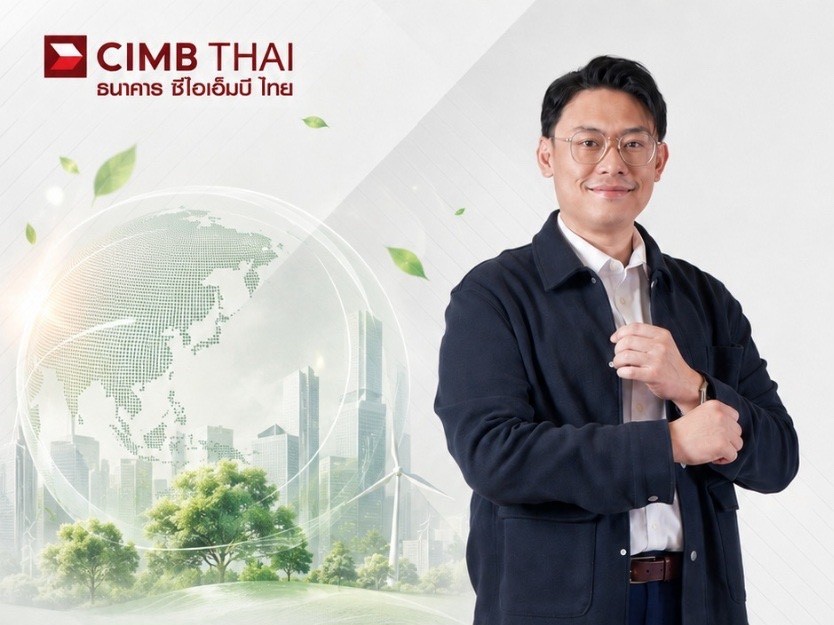
ธนาคาร ซีไอเอ็มบี ไทย ชี้ 3 เมกะเทรนด์เปลี่ยนโจทย์ ‘Bankability’ สู่การจัดสรรเงินทุนเพื่อเศรษฐกิจไทยยุคใหม่
ธนาคาร ซีไอเอ็มบี ไทย ชี้การเงินเพื่อความยั่งยืนกำลังก้าวสู่ ‘ยุคแห่งการจัดสรรเงินทุน’ ขับเคลื่อนโดย 3 ปัจจัย ได้แก่ 1.การเปลี่ยนผ่านสู่เศรษฐกิจคาร์บอนต่ำ 2.การขยายตัวของโครงสร้างพื้นฐาน AI และ Data Center และ 3.การรับมือต่อความเสี่ยงของการเปลี่ยนแปลงสภาพภูมิอากาศ
3 เมกะเทรนด์สำคัญกำลังเปลี่ยนเกณฑ์การพิจารณาความน่าเชื่อถือของธุรกิจในการเข้าถึงแหล่งเงินทุน (Bankability) ในประเทศไทย จากเดิมพิจารณาเพียงโครงการหรือสินทรัพย์เข้าข่าย ‘สีเขียว’ หรือ ‘ยั่งยืน’ หรือไม่เข้าสู่ยุค Bankability ใหม่ ที่พิจารณาเพิ่มเติมคือความพร้อมของโครงการ, ศักยภาพทางเศรษฐกิจ, โครงสร้างพื้นฐาน และความสามารถในการสร้างมูลค่าและชำระหนี้ในระยะยาว
แนวโน้มดังกล่าวเกิดขึ้นในช่วงเวลาสำคัญของเศรษฐกิจไทย โดยสำนักงานคณะกรรมการกำกับหลักทรัพย์และตลาดหลักทรัพย์ (ก.ล.ต.) กำลังจะปิดรับฟังความคิดเห็นต่อร่างเกณฑ์การออกตราสารหนี้เพื่อการเปลี่ยนผ่าน (Transition Bond) และตราสารหนี้เพื่อกิจกรรมสีเหลืองตามมาตรฐาน Thailand Taxonomy (Thailand Amber Bonds) ในวันที่ 21 สิงหาคม 2569 ขณะที่สำนักงานคณะกรรมการส่งเสริมการลงทุน (BOI) รายงานยอดขอรับการส่งเสริมการลงทุนในครึ่งแรกของปี 2569 สูงถึง 1.47 ล้านล้านบาท (เพิ่มขึ้น 37% YoY) โดยเป็นเงินลงทุนในอุตสาหกรรมดิจิทัลราว 1.12 ล้านล้านบาท ขณะเดียวกัน ธนาคารโลกประเมินว่าไทยจำเป็นต้องใช้เงินลงทุนด้านการเปลี่ยนแปลงสภาพภูมิอากาศเพิ่มเติมอีก 2.19 แสนล้านดอลลาร์สหรัฐ ในอีก 25 ปีข้างหน้า
เจสัน ลี หัวหน้าฝ่ายความยั่งยืน ธนาคาร ซีไอเอ็มบี ไทย จำกัด (มหาชน) กล่าวในงานแถลงข่าว Financing Thailand’s Next Economy ว่า “ปรากฏการณ์เหล่านี้สะท้อนจุดเปลี่ยนสำคัญของ Sustainable Finance ที่กำลังเปลี่ยนผ่านจากยุคที่มุ่งเน้นการจัดประเภทหรือกำหนดฉลากของสินทรัพย์ ไปสู่ยุคของการจัดสรรเงินทุน โดยคำถามสำคัญที่มากกว่า ‘โครงการจัดอยู่ในกลุ่มสีเขียวหรือยั่งยืนหรือไม่?’ คือการพิจารณาความเป็นไปได้ของโครงการ เส้นทางการเปลี่ยนผ่านที่ชัดเจน ความพร้อมด้านพลังงาน น้ำ และโครงสร้างพื้นฐาน ตลอดจนความสามารถของสินทรัพย์ในการดำเนินงานและสร้างรายได้ท่ามกลางความเสี่ยงจากสภาพภูมิอากาศที่เพิ่มขึ้น ซึ่งทั้งหมดกำลังกลายเป็นปัจจัยสำคัญในการประเมิน Bankability ของธุรกิจและโครงการต่าง ๆ”
การเงินเพื่อการเปลี่ยนผ่าน (Transition Finance): คอขวดที่ย้ายไปสู่ขั้นตอนเตรียมความพร้อมขององค์กร
เมกะเทรนด์แรก การที่ ก.ล.ต. อยู่ระหว่างรับฟังความคิดเห็นต่อร่างหลักเกณฑ์ Transition Bond และ Thailand Amber Bond ถือเป็นก้าวสำคัญ แต่คอขวดสำคัญถัดไปของการระดมทุนมีแนวโน้มขยับมาอยู่ที่ความพร้อมขององค์กรก่อนที่จะเข้าสู่ขั้นตอนการออกตราสาร
ตราสารหนี้เพื่อการเปลี่ยนผ่านเป็นเพียงเครื่องมือทางการเงิน ไม่ใช่ตัวแผนการเปลี่ยนผ่าน การระดมทุนจะเกิดขึ้นได้ ภาคธุรกิจต้องรู้ชัดเจนว่าจะต้องปรับเปลี่ยนสินทรัพย์ใด ลดการปล่อยก๊าซเรือนกระจกได้เท่าใด ต้องใช้เงินลงทุนเท่าไร โครงการใดควรเริ่มก่อน ใครเป็นผู้รับผิดชอบ และมีหลักฐานเชิงประจักษ์เพียงพอตามตามความคาดหวังของสถาบันการเงินและนักลงทุน
ธนาคาร ซีไอเอ็มบี ไทย จึงได้พัฒนาบริการ Sustainability360 Advisory Program เพื่อช่วยปิดช่องว่างด้านความพร้อมดังกล่าว โดยครอบคลุมตั้งแต่การจัดทำกรอบการระดมทุนเพื่อความยั่งยืน (GSS Framework) การออกแบบตัวชี้วัดและเป้าหมาย (KPI/SPT) การประเมินกิจกรรมตามเกณฑ์ของ Thailand Taxonomy การประสานงานกับผู้ให้ความคิดเห็นของผู้ชำนาญการอิสระ (Second Party Opinion: SPO) ไปจนถึงการรายงานผลหลังได้รับเงินทุน
โครงสร้างพื้นฐาน AI และ Data Center: ย้ายจุดโฟกัสจาก ‘ปริมาณ’ สู่ ‘คุณภาพ’ การลงทุน
เมกะเทรนด์ที่สอง คือการขยายตัวของโครงสร้างพื้นฐาน AI และ Data Center ในประเทศไทย โดยมียอดขอส่งเสริมการลงทุนจาก BOI ในกลุ่มดิจิทัลสูงถึง 1.12 ล้านล้านบาท จุดเปลี่ยนที่น่าสนใจ คือนโยบายภาครัฐเริ่มให้ความสำคัญกับ ‘คุณภาพของการลงทุน’ โดย BOI ได้เพิ่มเกณฑ์การคัดกรองโครงการ Data Center ทั้งในมิติประสิทธิภาพการใช้พลังงานและน้ำ ผลกระทบสิ่งแวดล้อม การสร้างประโยชน์แก่ประเทศ และการเปลี่ยนผ่านสู่พลังงานสะอาด
“AI อาจจะทำงานบนระบบคลาวด์ แต่โครงสร้างพื้นฐานเบื้องหลังนั้นต้องอาศัยทรัพยากรมหาศาล ทั้งพลังานไฟฟ้าและน้ำ ความพร้อมของระบบการจัดการพลังงานจึงกลายเป็นตัวแปรทางการเงินที่สำคัญ แม้ Data Center จะใช้วิศวกรรมออกแบบให้สอดคล้องกับเกณฑ์กรีนไฟแนนซ์ได้ แต่ต้องพิจารณาความพร้อมด้านพลังงาน น้ำ โครงข่ายไฟฟ้า ความสามารถในการรับมือกับความเสี่ยงทางกายภาพจากสภาพภูมิอากาศ รวมถึงคุณค่าทางเศรษฐกิจที่จะเกิดขึ้นในประเทศด้วย”
การปรับตัวต่อการเปลี่ยนแปลงสภาพภูมิอากาศ (Climate Adaptation): มิติที่เคยถูกมองข้าม
เมกะเทรนด์ที่สาม คือ การปรับตัวรับมือภัยธรรมชาติ ที่ผ่านมาการเงินเพื่อความยั่งยืนมักมุ่งเน้นไปที่การลดการปล่อยก๊าซเรือนกระจก (Mitigation) แต่ข้อมูลจากธนาคารโลก สะท้อนให้เห็นถึงความต้องการเงินลงทุนด้าน Climate Adaptation ที่มีนัยสำคัญ โดยจากความต้องการเงินลงทุนด้านภูมิอากาศของไทย 2.19 แสนล้านดอลลาร์สหรัฐนั้น เป็นงบประมาณด้าน Climate Adaptation สูงถึง 1.05 แสนล้านดอลลาร์สหรัฐ ซึ่งสูงกว่างบด้านการลดการปล่อยก๊าซเรือนกระจก ที่อยู่ที่ 9.6 หมื่นล้านดอลลาร์สหรัฐ
“น้ำท่วม ภัยแล้ง หรือคลื่นความร้อน อาจเริ่มต้นจากปัญหาสิ่งแวดล้อม แต่เมื่อส่งผลกระทบต่อรายได้ ต้นทุนการดำเนินงาน หรือมูลค่าหลักประกัน มันจะกลายเป็น ‘ความเสี่ยงทางการเงิน’ ทันที การปรับตัวรับมือภัยธรรมชาติจึงต้องถูกดึงเข้ามาอยู่ในกระบวนการจัดสรรเงินทุนหลักของธุรกิจ”
ซีไอเอ็มบี ไทย: เปลี่ยนวิสัยทัศน์สู่การปฏิบัติจริง
ในปี 2568 ธนาคาร ซีไอเอ็มบี ไทย มีมูลค่าการเงินเพื่อความยั่งยืนที่ได้รับอนุมัติภายใต้กรอบ GSSIPS รวมราว 22,980 ล้านบาท ครอบคลุมทั้งกลุ่มลูกค้าธุรกิจขนาดใหญ่ วาณิชธนกิจ สถาบันการเงิน และบุคคลธรรมดา ขณะที่บริการ Sustainability360 Advisory Program ได้สนับสนุนการการระดมทุนเพื่อความยั่งยืนที่เชื่อมโยงกับการระดมทุนในตลาดรวมแล้วกว่า 7,000 ล้านบาท
เพื่อสนับสนุนแนวทางการเตรียมความพร้อมตั้งแต่ต้นน้ำดังกล่าว เจสัน ลี ได้พัฒนา เครื่องมือช่วยวางแผนการเปลี่ยนผ่านด้านสภาพภูมิอากาศ (Climate Transition Canvas) เครื่องมือแบบหน้าเดียวเชิงปฏิบัติที่ได้มีการนำร่องใช้ในงาน The Cooler Earth Thailand 2026 เมื่อต้นเดือนนี้ โดย Climate Transition Canvas ช่วยให้องค์กรสามารถเชื่อมโยงเป้าหมายด้านสภาพภูมิอากาศและเส้นทางการลดการปล่อยก๊าซเรือนกระจก เข้ากับมาตรการลดคาร์บอนที่ชัดเจน ความต้องการเงินลงทุน ทางเลือกด้านแหล่งเงินทุน ความคุ้มค่าทางเศรษฐกิจ และโครงสร้างการกำกับดูแล เพื่อยกระดับการวางแผนการเปลี่ยนผ่านให้มีความพร้อมต่อการตัดสินใจและสามารถนำไปสู่การจัดหาเงินทุนได้มากยิ่งขึ้น ภาคธุรกิจที่สนใจ ศึกษาข้อมูลเพิ่มเติมได้ที่ https://www.cimbthai.com/en/personal/who-we-are/sustainability/sustainability.html
5 แนวโน้มสำคัญที่ต้องจับตาในประเทศไทย (ปี 2569–2571):
• ความพร้อมของโครงการ: จะเป็นข้อจำกัดที่สำคัญมากขึ้น ในการเข้าถึงการเงินเพื่อการเปลี่ยนผ่าน (Transition Finance) เมื่อเทียบกับข้อจำกัดด้านเครื่องมือทางการเงิน
• การแข่งขันด้านพลังงาน: ความพร้อมและความคุ้มค่าด้านพลังงานจะมีอิทธิพลมากขึ้นต่อการตัดสินใจเลือกที่ตั้งโครงสร้างพื้นฐาน AI ในอาเซียน
• ปัจจัย Bankability ใหม่: ทรัพยากรน้ำ โครงข่ายไฟฟ้า และความทนทานต่อสภาพอากาศ จะมีน้ำหนักมากขึ้นในการประเมินความเป็นไปได้และ Bankability ของโครงการ Data Center
• งบลงทุน (CAPEX) ด้าน Adaptation: ภาคธุรกิจมีแนวโน้มจัดสรรงบประมาณเพื่อการบริหารจัดการความเสี่ยงด้านการเปลี่ยนแปลงสาพภูมิอากาศในแผนการเงินมากขึ้น
• บทบาทของฝ่ายความยั่งยืนในภาคการเงิน: จะมีบทบาทมากขึ้นในการให้ข้อมูลและมุมมองประกอบการตัดสินใจด้านการจัดสรรเงินทุน จากเดิมที่มุ่งเน้นการตรวจสอบการจัดประเภทด้านการเงินเพื่อความยั่งยืน
“การขับเคลื่อนเศรษฐกิจยุคใหม่ของไทยต้องพิจารณาทั้ง 3 ปัจจัยไปพร้อมกัน ได้แก่ การลดการปล่อยคาร์บอน การเปลี่ยนผ่านสู่ดิจิทัล และการปรับตัวรับมือต่อการเปลี่ยนแปลงสาพภูมิอากาศ โดยเชื่อมโยงทั้งสามมิติเข้ากับแผนการเงินและการลงทุนของภาคธุรกิจ ดังนั้น คำถามสำคัญของภาคการเงินนี้จึงไม่ใช่แค่ ‘โครงการนี้ยั่งยืนหรือไม่’ แต่คือ ‘โครงการนี้ควรได้รับเงินทุนหรือไม่ ด้วยเงื่อนไขใด และจะสามารถสร้างมูลค่าให้กับเศรษฐกิจในระยะยาวได้อย่างไร” เจสัน ลี กล่าวสรุป.
CIMB Thai flags three megatrends redefining “bankability” as Thailand finances its next economy
Transition finance, AI infrastructure and climate resilience are shifting sustainable finance into a “capital-allocation era”, says Head of Sustainability Jason Lee
BANGKOK, 20 August 2026 — Three megatrends are beginning to redefine the conditions under which businesses and projects are considered investable and finance-ready in Thailand: the climate transition and transition finance; the rapid build-out of AI and data-centre infrastructure; and climate adaptation as physical risk moves more directly into corporate and financial decision-making, CIMB Thai Bank said today.
The forces are converging at a consequential point for Thailand. The Securities and Exchange Commission’s consultation on draft rules for Transition Bonds and Thailand Amber Bonds closes on 21 August 2026, one day after the briefing. Thailand’s Board of Investment reported approximately THB1.47 trillion of investment promotion applications in the first half of 2026, up 37% year on year, with the digital sector accounting for about THB1.12 trillion. Meanwhile, the World Bank estimates that Thailand will need an additional US$219 billion in climate investment over the next 25 years, including US$105 billion for adaptation and US$96 billion for mitigation.
Speaking at the CIMB Thai Press/Media Briefing 2026 — “Financing Thailand’s Next Economy”, Jason Lee, Head of Sustainability at CIMB Thai, said these developments point to a fundamental shift in sustainable finance.
“Sustainable finance is moving from a labelling era into a capital-allocation era. The question is no longer only whether an asset can be classified as green or sustainable. The harder questions are whether the business has a credible transition pathway, whether the project is financially viable, whether the necessary power, water and infrastructure are available, and whether the asset can remain productive and meet its financial obligations as physical climate risks intensify.”
“These are becoming the new determinants of bankability.”
Transition finance: the bottleneck moves upstream
Thailand’s SEC is currently consulting on draft regulations supporting Transition Bonds, whose proceeds would finance projects aligned with an issuer’s transition strategy or plan, and Thailand Amber Bonds, whose proceeds would be directed to amber activities under the Thailand Taxonomy. The proposals also strengthen disclosure requirements across sustainability-related bonds. The consultation closes on 21 August 2026.
Lee said expanding the range of financial instruments is necessary, but the next bottleneck may increasingly sit upstream, before a transaction reaches the financing stage.
“A Transition Bond is a financing instrument. It is not a transition plan. Before capital can move, a company needs to know which assets or processes must change, how much emissions reduction those changes can deliver, what investment is required, which projects come first, who is accountable, and what evidence lenders, investors, boards and external reviewers will require.”
The challenge, he said, is to connect an emissions pathway with decarbonisation projects, CAPEX, project economics, governance and financing rather than allowing climate targets and capital planning to develop separately.
CIMB Thai’s Sustainability360 advisory programme is designed around this upstream preparation. Its scope includes green, social and sustainability financing frameworks; sustainability-linked financing structures and KPI/SPT design; taxonomy and transition-plan integration; coordination with second-party opinion providers; and post-financing reporting support.
AI infrastructure: moving from investment volume to investment quality
Thailand’s rapid build-out of AI and data-centre infrastructure represents the second major shift.
BOI data show that investment promotion applications reached approximately THB1.47 trillion across 1,299 projects in the first half of 2026, with the digital sector accounting for roughly THB1.12 trillion, driven heavily by data centres, data hosting and cloud services.
But the policy conversation is already moving beyond headline investment values. In July, the BOI expanded its screening arrangements for data-centre projects to consider energy, water resources, environmental impacts, benefits to Thailand and the transition towards clean energy.
“The next question is not simply how many data centres Thailand can attract. It is what kind of data-centre economy Thailand wants to build,” Lee said.
“AI may live in the cloud, but the infrastructure underneath it is intensely physical. It requires electricity, transmission capacity, water, land, cooling and large amounts of capital. That means available power capacity, access to clean energy, water availability and grid readiness are becoming financial variables, not merely engineering inputs.”
A data centre may meet the criteria for a green financing structure while still presenting separate questions over resource availability, grid connections, physical resilience and the economic value retained domestically, Lee said.
Thailand’s latest policy direction reflects those issues, with data-centre proposals increasingly being examined for electricity and water readiness, environmental impact, transition towards clean energy and tangible benefits to the Thai economy as AI-driven infrastructure demand accelerates.
Adaptation: the overlooked half of climate finance
The third megatrend is climate adaptation.
Thailand’s sustainable-finance conversation has historically placed much of its attention on decarbonisation, renewable energy and emissions reduction. The investment requirements identified by the World Bank show why resilience now requires greater financial attention.
The World Bank’s Thailand Country Climate and Development Report estimates additional climate investment needs over the next 25 years at approximately US$219 billion in discounted net present value terms. Of this, around US$105 billion is required for adaptation, compared with US$96 billion for mitigation and US$19 billion for climate-smart agriculture and forests with both adaptation and mitigation benefits.
“That should make the financial sector ask a different question. If Thailand’s adaptation requirement is at least comparable in scale with mitigation, why does climate finance still devote so much less attention to adaptation?”
Lee said the distinction between environmental and financial risk can quickly blur once physical climate impacts enter a company’s economics.
“A flood, drought or heatwave may begin as an environmental event. When it affects revenue, operating costs, productivity, collateral values, insurance availability or debt-service capacity, it becomes financial risk. That is why adaptation belongs inside mainstream capital allocation rather than at the edge of ESG.”
Potential adaptation investments can range from flood protection and water management to climate-resilient cooling and building systems, more resilient production systems, supply chains and infrastructure, as well as insurance and other risk-transfer mechanisms.
CIMB Thai: turning intelligence into execution
CIMB Thai said its approach is to connect these structural market changes with practical financing and advisory execution.
In 2025, the Bank recorded approximately THB22.98 billion in approved sustainable finance across Corporate Banking, Investment Banking, Financial Institutions and Customer Banking under its GSSIPS framework, reviewed and endorsed by the Bank’s Sustainability function.
Its Sustainability360 programme, introduced in 2025, supported the development of green financing frameworks that received second-party opinions and were associated with approximately THB7 billion of overall capital-raising activity during the year.
Lee stressed that Sustainability360 does not replace credit assessment, independent approval processes, taxonomy screening or external review. Its role is upstream: helping companies develop stronger projects and the technical, governance and reporting architecture needed to approach lenders and capital markets with credible evidence.
As part of this upstream approach, Lee also developed the Climate Transition Canvas, a practical tool that was piloted at The Cooler Earth Thailand 2026 earlier this August. The Canvas helps companies connect climate ambition and emissions pathways with specific decarbonisation actions, capital requirements, funding options, economics and governance — translating transition planning into a more decision-ready and financeable pathway.
“The objective is not to create more sustainability documentation. It is to help better projects enter the financing system,” Lee said.
“Sustainable finance starts before the day a loan is approved or a bond is issued. It starts when a company can clearly connect what it needs to change with the investment required, the economics, accountability, evidence and the appropriate source of capital.”
Five developments to watch: Thailand 2026–2028
CIMB Thai expects five developments to become increasingly important over the next 12–24 months:
- Issuer and project readiness will become a larger constraint on transition finance than instrument availability.
- Energy availability and economics will increasingly influence where ASEAN’s next AI infrastructure is built.
- Power, water, grid readiness and physical climate resilience will become more prominent variables in data-centre bankability.
- Adaptation will move further into corporate CAPEX, insurance and financial-risk management.
- Sustainability functions within financial institutions will increasingly inform capital-allocation decisions rather than primarily verifying sustainable-finance classifications.
Lee said the three megatrends ultimately form one economic story.
“Thailand’s next economy has to do three things simultaneously: decarbonise, digitalise and adapt. If we treat them as separate sustainability topics, we miss the larger capital story. All three draw on the same pools of capital and infrastructure, and all three will shape whether businesses remain economically viable.”
“For finance, the defining question is therefore moving beyond what is sustainable towards what should receive capital, why, under what conditions, and whether it can continue to create value in the economy that is emerging.”
